
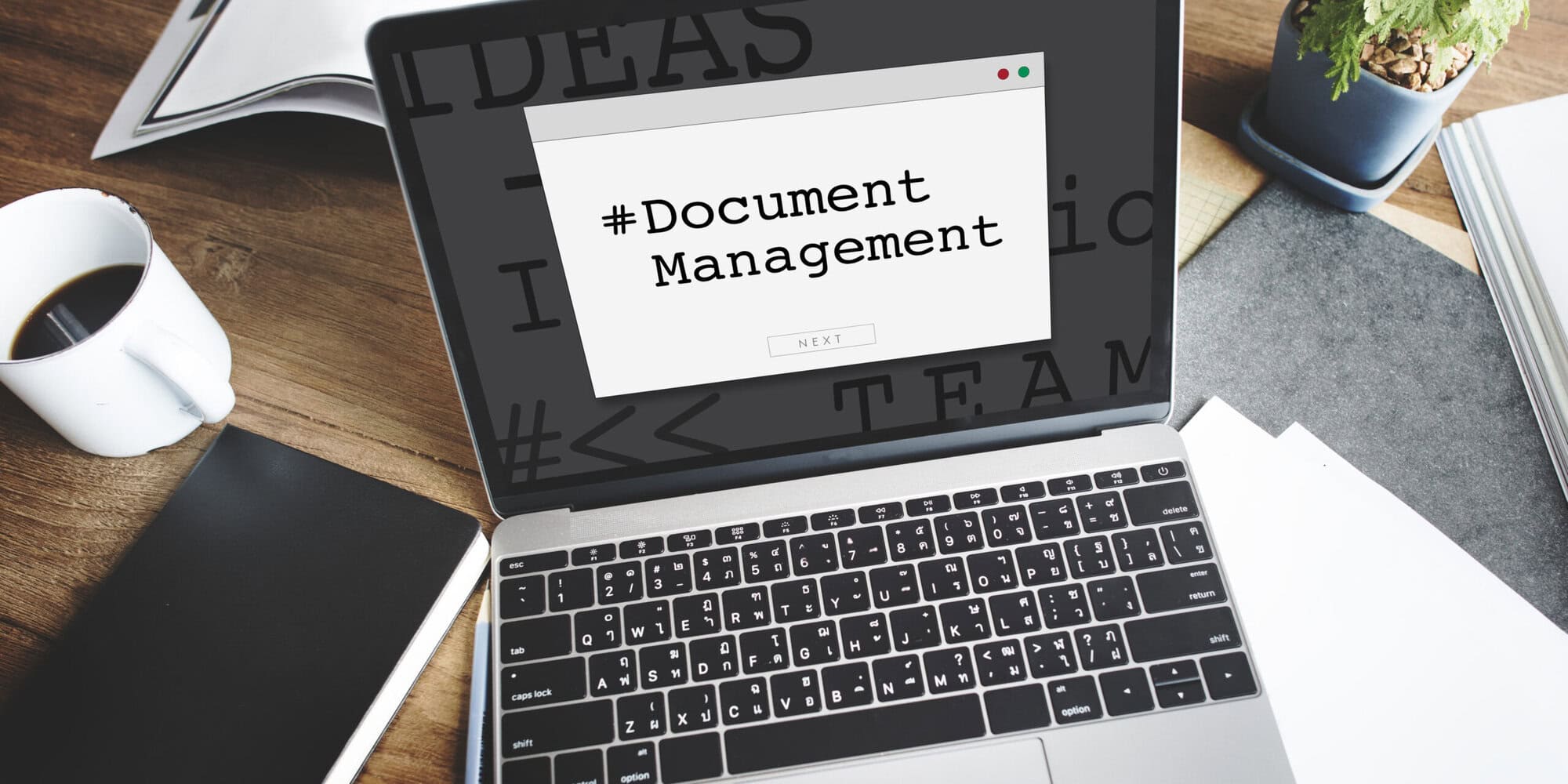
In today’s fast-paced world of manufacturing, teamwork isn’t just about communication; it’s about clarity, consistency and access to the right information at the right time.
When critical process information, such as how to handle manual inventory adjustments, manage complex bulk transfers, or procure materials and parts from suppliers, resides only in the minds of a few veteran employees, your operation is one ‘sick day’ away from a major production disruption.
Many manufacturers still rely on scattered documents, emails, spreadsheets, shared drives or even verbal instructions to manage processes.
The result?
Miscommunication, confusion, duplicated efforts, costly errors and production delays. When teams don’t operate from a single source of truth, efficiency and productivity suffer.
Centralized ERP Documentation
With an ERP’s centralized documentation, you don’t just create a digital filing cabinet; you build a single source of truth that powers your enterprise.
With this feature, you can efficiently store, manage and access critical documents such as SOPs, work instructions, invoices, quality records, quotations and estimates, customer communications, BOMs, inventory details, service records, and employee details directly within the system.
This ensures that every team and department is aligned and working with the most up-to-date information.
Breaking Down Communication Silos
Manufacturing thrives on hand-off from one department to another. The inventory/warehouse team adjusts stock, the production consumes it, and the accounting department reconciles the costs.
If these departments rely on manual documents, spreadsheets, outdated PDFs, and word-of-mouth instructions for every order, errors and delays are inevitable.
With an ERP’s centralized documentation system, everyone from the shop floor to the top floor has eyes on real-time documents and data.
Whether a team member is confirming a standard inventory adjustment or navigating the complexities of ‘Storage at Vendor’ locations, they have access to the same standardized terminology and validated workflows. Production teams can refer to the latest work instructions, while sales and customer service teams can access order histories and communication logs without delays. This reduces dependency on individuals and minimizes bottlenecks. Decisions are taken faster based on real-time data.
Workforce Empowerment
Apart from preventing costly mistakes, a centralized documentation system empowers your team to be self-sufficient and not depend on others for vital information.
When documentation for tasks like Bulk Inventory Transfers or Dimensional Item Handling is easily accessible, employees spend less time asking for help and more time executing tasks with precision.
This is particularly vital for onboarding. Instead of weeks of shadowed training, new hires can follow standardized, step-by-step instructions that reflect the actual logic of workflows, such as the FIFO (First-In-First-Out) used during automated stock decreases.
Accuracy and Accountability
In an integrated ERP system, every manual entry has a downstream financial impact. Centralized documentation highlights the ‘why’ behind the ‘how’. When a warehouse manager understands that confirming a manual adjustment triggers an automatic account posting, they are more likely to double-check their counts.
This data transparency fosters a culture of accountability and collective responsibility throughout the enterprise.
Every update, revision, or approval is recorded within the ERP, creating a clear audit trail. This is particularly valuable for manufacturers who must comply with quality standards and regulatory requirements.
Time is Money
Another critical benefit is time savings. Instead of searching through multiple tools and platforms or waiting for someone to share a file, employees can quickly retrieve what they need within the ERP. This not only boosts efficiency but also allows teams to focus on higher-value tasks.
Conclusion
Teamwork is built on clarity. With centralized documentation, you eliminate guesswork, reduce friction between departments and improve efficiency throughout the enterprise.
You also achieve scalability as the ERP ensures that the processes remain standardized, no matter how large or complex your operations become.
OmegaCube ERP has an in-built document control and training system that does all of the above.
Contact us for a live demo.



One Response
Just exploring your services